


How Do South American Distributors Import Wire Mesh from China?
South America has seen growing demand for wire mesh products in construction, agriculture, industrial applications, and architectural projects. For distributors looking to source wire mesh from China, understanding the import process, logistics, and compliance requirements is essential for smooth operations and cost efficiency.
This article provides a detailed guide on how South American distributors can import wire mesh from China, including steps from supplier selection to shipment and customs clearance.
1. Selecting the Right Wire Mesh Supplier
The first step in importing from China is choosing a reliable manufacturer:

Manufacturer vs Trading Company: Direct manufacturers often offer better pricing, customization, and production transparency.
Experience with exports: Suppliers with experience in South American markets understand local standards, documentation, and shipping requirements.
Certifications: ISO 9001, material test reports, and other quality certificates ensure compliance with buyer expectations.
A reliable supplier reduces risks related to product quality, delays, and regulatory issues.
2. Determining Product Specifications
Before placing an order, distributors must clarify product requirements:
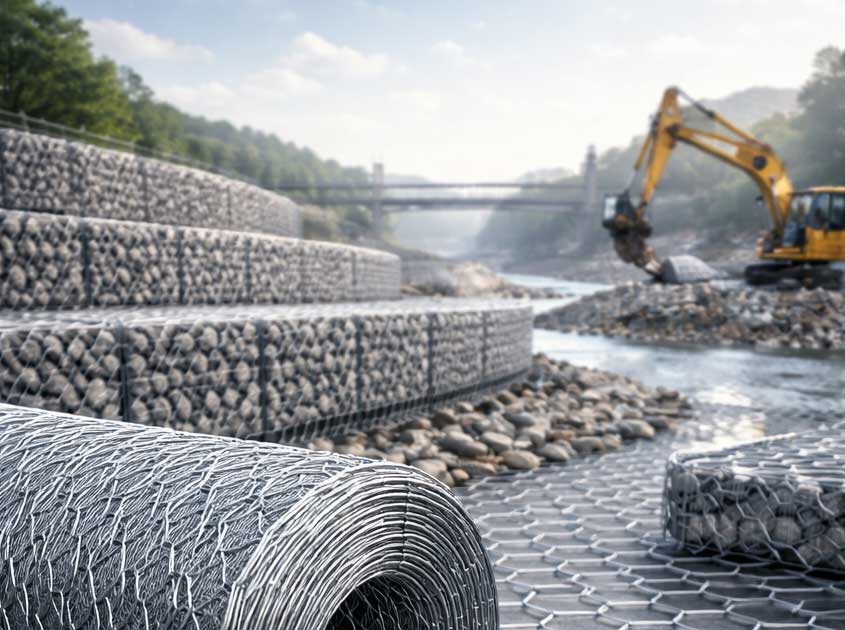
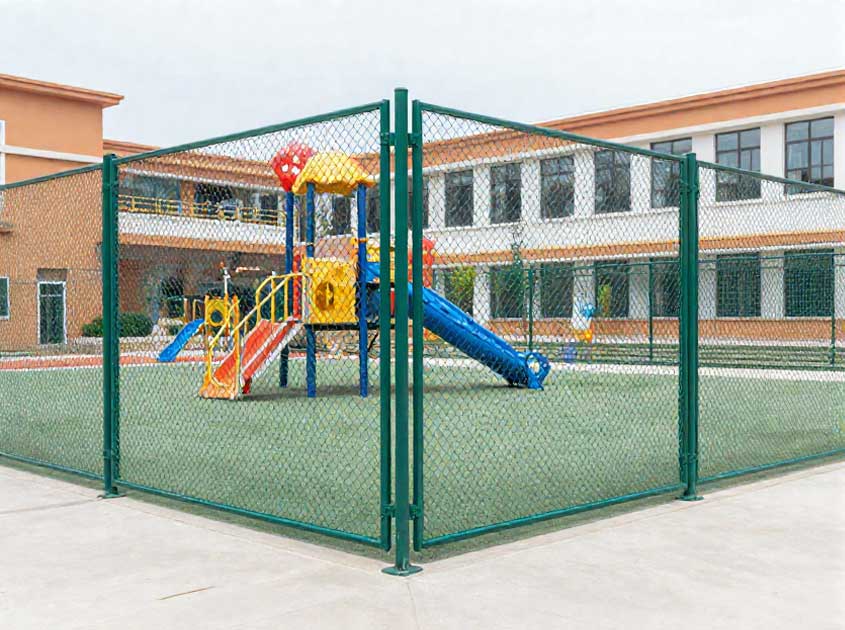
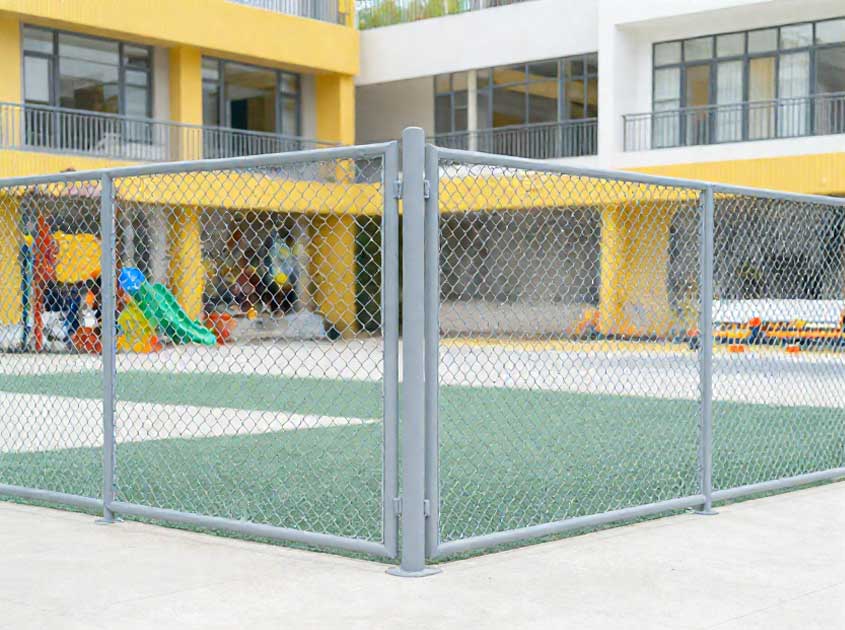
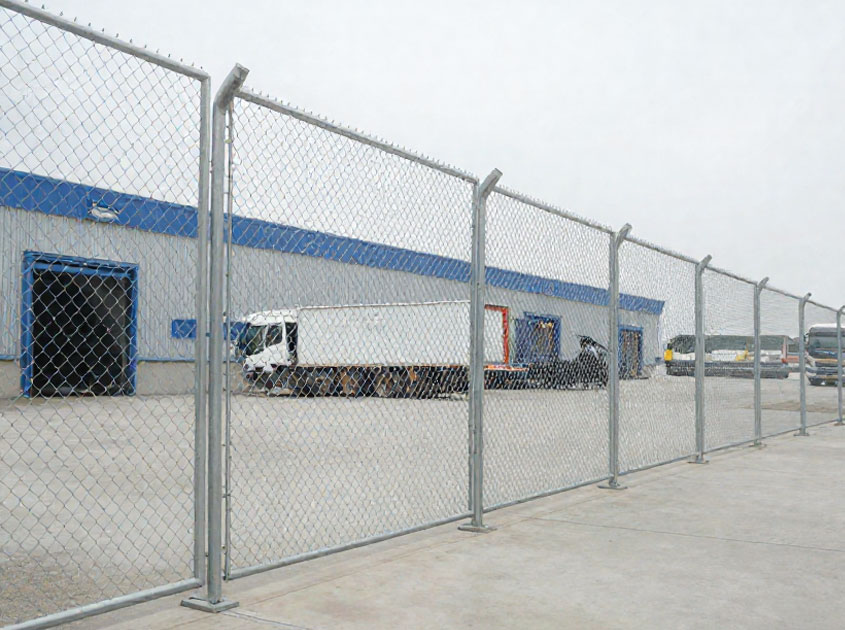
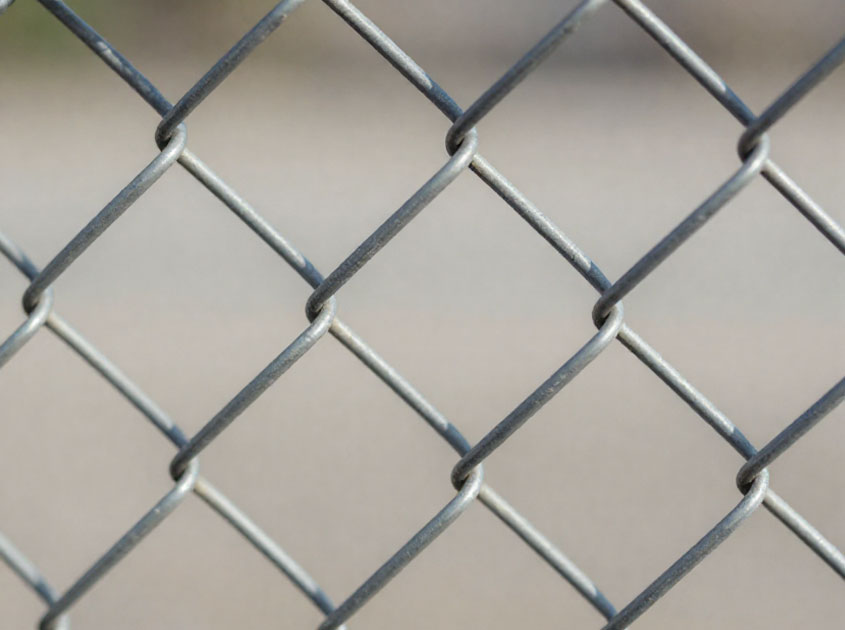
Wire mesh type: welded mesh, woven mesh, chain link mesh, or expanded metal mesh
Material: galvanized steel, stainless steel, PVC-coated steel, or aluminum
Wire diameter, mesh size, and panel dimensions
Surface treatment and coating: powder coating, galvanization, or anodization
Providing clear specifications helps the manufacturer produce the correct product and reduces the likelihood of defects.
3. Requesting Samples and Quality Verification
South American distributors often request samples before bulk ordering:
Evaluate material quality, weld strength, and surface finish
Check dimensions, mesh pattern accuracy, and coating uniformity
Conduct pre-shipment inspections (optional) via third-party agencies like SGS or Bureau Veritas
Quality verification ensures that the shipped products meet expectations and reduces disputes.
4. Understanding Trade Terms
Choosing the right trade terms affects cost and logistics management:
FOB (Free on Board): The supplier handles production and loading onto the ship; the buyer arranges shipping.
CIF (Cost, Insurance, Freight): Includes shipping and insurance to the destination port; easier for buyers with limited logistics expertise.
EXW (Ex Works): The buyer takes responsibility for transportation from the manufacturer’s factory; suitable for experienced importers.
Understanding trade terms helps distributors calculate total import cost accurately.
5. Packaging and Shipping Considerations
Proper packaging is crucial for protecting wire mesh during long-distance transport:
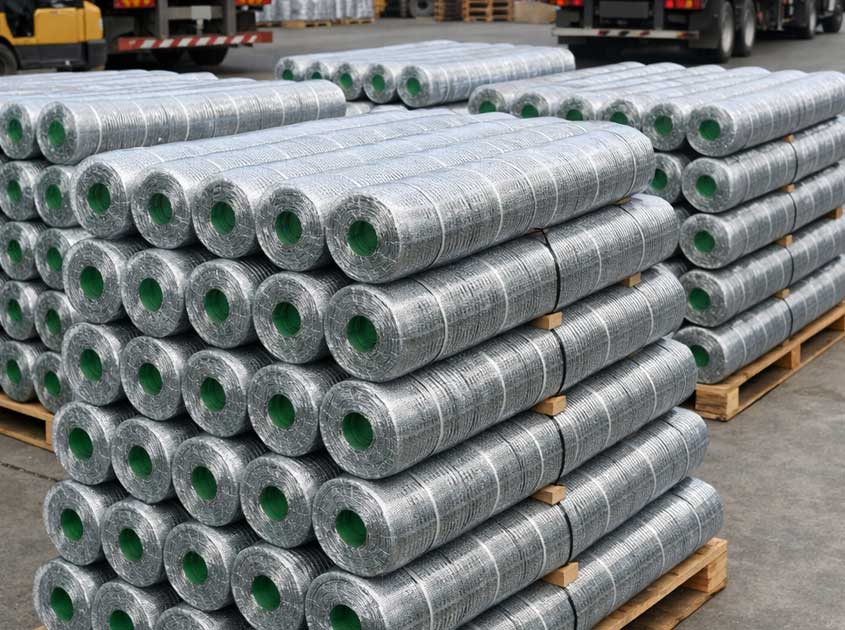
Roll packing or panel packing: Use protective film, cardboard, and pallets to prevent scratches or deformation
Full Container Load (FCL): More economical for large orders; reduces per-unit shipping cost
Less-than-Container Load (LCL): Suitable for smaller orders, but careful packaging is essential to avoid damage
Shipping method: Sea freight is the most common; air freight can be used for urgent, smaller shipments
Professional Chinese manufacturers offer export-ready packaging suitable for international shipping.
6. Customs Clearance in South America
South American countries have specific import regulations and duties:
Provide required documentation: invoice, packing list, certificate of origin, and material certificates
Comply with local import tariffs and taxes
Work with experienced customs brokers to facilitate smooth clearance
Ensuring proper documentation and compliance reduces delays and additional costs.
7. Logistics and Delivery Management
After customs clearance, distributors need to manage delivery to warehouses or project sites:
Schedule inland transportation in advance
Use pallets or forklifts to safely unload and store wire mesh
Maintain inventory records to track batch numbers and quality
Efficient logistics ensures timely availability for customers and prevents supply chain interruptions.
8. Building Long-Term Supplier Relationships
Long-term cooperation with a Chinese wire mesh manufacturer offers multiple advantages:
Consistent product quality and supply stability
Access to OEM or customized solutions
Flexible lead times and support for bulk or repeat orders
Assistance with market-specific requirements and export documentation
Strong supplier relationships also allow distributors to negotiate better pricing and faster production.
Conclusion
Importing wire mesh from China to South America involves supplier selection, product specification, sample verification, trade term selection, packaging, shipping, customs clearance, and logistics management. Distributors who understand these steps can reduce costs, ensure timely delivery, and maintain high product quality.
Partnering with an experienced Chinese wire mesh manufacturer ensures reliable sourcing, compliance with local regulations, and access to both standard and customized products for South American markets.
-
 ¿De qué material está hecha una cerca para ganado? 05. 25, 2026
 -
 Soluciones de malla de alambre OEM y personalizadas 05. 25, 2026





- Teléfono: +86 311 83077076
- Correo electrónico: natalia@qunkun.net
- Messenger: https://www.facebook.com/na.natalia.3781/
- WhatsApp: +8615533680669
- Añadir: No 69-70, el parque industrial de filtros del condado de Anping, Hebei China


